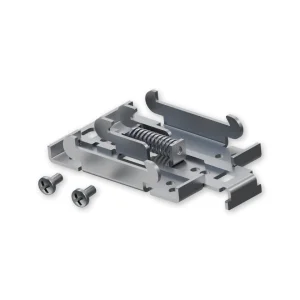
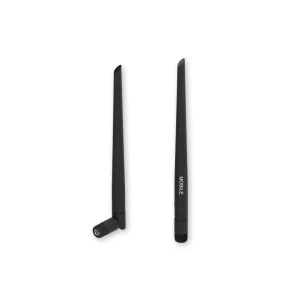
Das Teltonika TRB246 ist ein kompaktes, industrietaugliches 4G LTE Gateway (Cat 4) für IoT- und M2M-Szenarien, in denen Seriell (RS232/RS485), I/Os und Ethernet zusammenkommen. Mit Dual-SIM, vielseitigen Auto-Switch-/Failover-Szenarien sowie Protokoll-Support wie Modbus, DNP3 und DLMS eignet es sich ideal für Fertigung, Landwirtschaft, Bau und Infrastruktur – überall dort, wo Daten sicher und stabil aus dem Feld ins Netzwerk müssen.
- 4G LTE Cat 4 bis 150/50 Mbps (DL/UL), 3G/2G Fallback
- 3GPP Release 11
- 2 SIM-Karten mit Auto-Switch-Fällen: weak signal, data limit, SMS limit, roaming, no network, network denied, data connection fail
- Auto APN, Band-Management (Band lock, Used band status)
- SIM Idle Protection (periodischer SIM-Wechsel zur Vermeidung von Blockierungen)
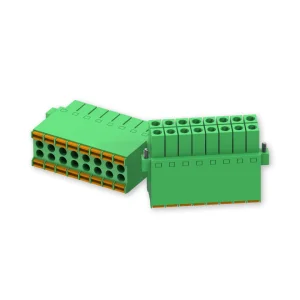
- Seriell: RS232 & RS485 über Terminalblock
- I/O: 3× Digital Inputs + 3× Digital Outputs, plus 1× Analog Input (0–30 V)
- Ethernet: 1× ETH 10/100 Mbps (IEEE 802.3/802.3u/802.3az, Auto MDI/MDIX)
- Bridge / Passthrough: Mobile WAN transparent an ein Gerät im LAN durchreichen (IP-Übergabe möglich)
- GNSS: GPS/GLONASS/BeiDou/Galileo/QZSS (Geofencing, NMEA, NTRIP)
Das TRB246 ist auf praxisnahe Gateway-Aufgaben ausgelegt: Feldprotokolle einsammeln, normalisieren und zuverlässig über Mobilfunk ins Backend bringen – inklusive Monitoring, Automations-Triggern über I/O und flexiblen Datenwegen (z. B. HTTP(S)/MQTT/Azure MQTT).
- Modbus: Client/Server, RTU (RS232/RS485) & TCP; Custom Registers
- DNP3: Station/Outstation über RS232/RS485/TCP
- DLMS/COSEM: Client über Serial & TCP (Utility-Meter-Auslese)
- OPC UA: Client/Server über TCP
- MQTT Gateway: Modbus-to-MQTT (Befehle/Daten via Broker)
- Data to Server: HTTP(S), MQTT, Azure MQTT + LUA-Scripting
- BACnet: Router-Mode, RS485/TCP (BBMD/BDT-Optionen)
- Routing: Static + Dynamic (BGP, OSPF v2, RIP v1/v2, EIGRP, NHRP), Policy-Based Routing
- Netzwerk-Protokolle: IPv4/IPv6, DHCP, DNS, NTP, VRRP, SSH, SNMP, MQTT, VXLAN u. a.
- QoS/SQM: Priorisierung nach Quelle/Ziel/Service/Port; 802.11e/WMM (wo relevant)
- Connection Monitoring: Ping/Wget Reboot, Periodic Reboot, LCP/ICMP Inspection
- Traffic-Management: Realtime Monitoring, Signal-Charts, Usage-History
- Network Backup: Mobile, VRRP, Wired (automatisches Failover)
- DDNS: 77+ Provider (weitere manuell)
- SSHFS: Remote File System via SSH mounten
- Hotspot/Captive Portal (Radius, SMS-Auth, SSO, Landing Page, Walled Garden, User Groups, Themes)
- SMS/USSD: Status/Automation, SMS-to-HTTP/Email, Scheduled SMS, Autoreply, SMPP; USSD senden/lesen
Für den Betrieb in verteilten Netzen bietet RutOS umfangreiche Controls: VLAN-Segmentierung, fein granularer Admin-Zugriff, DoS/Scan-Prevention sowie Zertifikats-Management (inkl. Let’s Encrypt/SCEP).
- Authentication: PSK, X.509 Zertifikate, TACACS+, RADIUS, Login-Attempt Blocking, Random Password Generator
- Firewall: NAT/DMZ, NAT-T, NAT64, Port Forwarding, Custom Rules (WebUI/CLI), TTL Target Customisation
- Attack prevention: SYN Flood / SSH / HTTP(S) Protection, Port-Scan Prevention
- VPN: WireGuard, IPsec (IKEv1/v2), OpenVPN (multi), GRE (auch over IPsec), L2TP/PPTP, Stunnel, DMVPN, SSTP, ZeroTier, Tinc
- DNS over HTTPS + Web-Filter (Block/Allow-Lists) + Mobile Quota Control
Technische Daten (Auszug)
- Mobilfunk: 4G LTE bis 150 DL / 50 UL Mbps; 3G bis 42/5.76 Mbps; 2G bis 296/236.8 Kbps
- 3GPP: Release 11
- SIM: 2× SIM, Auto-Switch-Cases + SIM PIN Management + SIM Idle Protection
- Ethernet: 1× 10/100 Mbps (Auto MDI/MDIX), IEEE 802.3/802.3u/802.3az
- CPU/RAM/Flash: Mediatek 580 MHz (MIPS 24KEc), 128 MB RAM, 16 MB Flash
- Seriell: RS232 (TX/RX/RTS/CTS), RS485 (2-/4-Wire) via 16-Pin Terminalblock
- I/O: 3× DI (0–6 V low / 8–30 V high), 1× AI (0–30 V), 3× DO (Open Collector, max 30 V / 300 mA)
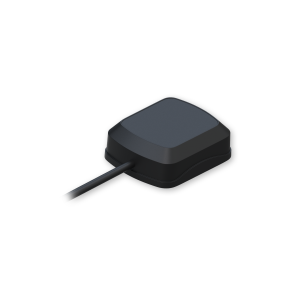
- GNSS: Multi-GNSS, −157 dBm Tracking Sensitivity, 2.5 m CEP
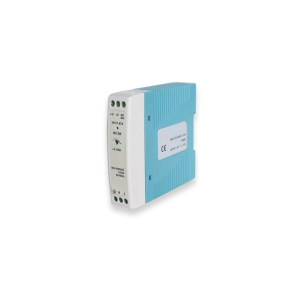
- Power: 9–30 VDC, reverse polarity protection, surge protection ±1 kV (50 µs), Idle <1.5 W, Max <3.5 W
- Gehäuse: Aluminium, IP30; 83 × 25 × 74.2 mm; 165 g
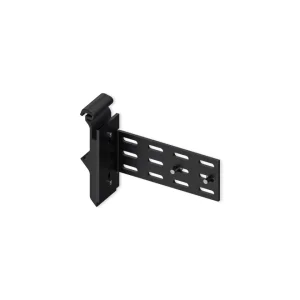
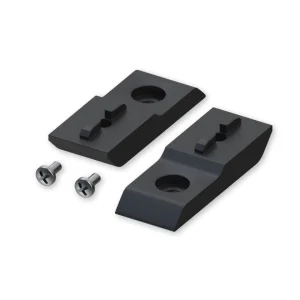
- Montage: DIN-Rail / Wall / Surface (jeweils mit Zusatz-Kit)
- Umgebung: −40 °C bis +75 °C; 10–90% rF nicht kondensierend
- Zulassungen: CE, UKCA, EAC, RCM, FCC, IC, CB, WEEE; Safety: EN/IEC 62368-1