Auf einen Blick
Mobilfunk
LTE Cat 12
Bis 600 Mbit/s Down / 150 Mbit/s Up (Carrier Aggregation), Fallback 3G
SIM‑Redundanz
2× SIM (Auto‑Switch)
Umschalten z. B. bei weak signal, limits, roaming, no network + SIM idle protection
Netzwerk
5× Gigabit Ethernet
WAN + 4× LAN, VLAN port-/tagbasiert (bis zu 128)
Wireless & USB
Wi‑Fi 5 + BT LE + USB
Wave‑2 802.11ac Dual Band + Bluetooth LE + USB‑Host
RUTX14: High‑Throughput LTE Cat 12 Router für stabile Standort‑ und Edge‑Konnektivität
Der Teltonika RUTX14 ist für Setups gemacht, in denen Mobilfunk nicht nur „Backup“, sondern Primary‑Uplink ist. Mit LTE Cat 12 (bis 600/150 Mbit/s), Dual‑SIM und robusten Netzwerkfunktionen (VLAN, Routing, VPN, Security) eignet er sich für anspruchsvolle Industrie‑ und Enterprise‑Rollouts – von Produktionsstandorten bis hin zu temporären Installationen mit hoher Datenlast.
Video: Teltonika RUTX14 – Überblick
Mobilfunk‑Performance & Uptime‑Logik
- LTE Cat 12 bis 600/150 Mbit/s (DL/UL), 3G bis 42/11.2 Mbit/s
- 3GPP Release 12, Status‑Transparenz (CA indicator, Band, SINR/RSRP/RSRQ etc.)
- Dual‑SIM Auto‑Switch: weak signal, data/SMS limit, roaming, no network, network denied, data connection fail
- SIM Idle Protection, Auto APN, Band‑Management (Lock/Used band status)
- Bridge/Passthrough für transparente Mobile‑WAN‑Weitergabe an Downstream‑Devices
Netzwerk‑Ports, WLAN & Segmentierung
- Ethernet: 1× WAN + 4× LAN (Gigabit), Auto MDI/MDIX
- VLAN: port‑ und tag‑basiert, bis zu 128 VLANs
- Wi‑Fi 5 Wave 2 (Dual Band, MU‑MIMO) bis 867 Mbit/s + Mesh (802.11s) + Fast Roaming (802.11r/k/v)
- Wi‑Fi Security: WPA2‑Enterprise / WPA3, 802.11w PMF, Client Separation, EAP‑TLS
- Bluetooth LE + USB 2.0 für Erweiterungen (z. B. USB‑to‑Serial, Storage)
Security & VPN – für produktive Standort‑ und Mobilfunknetze
- Firewall: NAT/DMZ, NAT‑T, NAT64, Port Forwarding, Custom Rules (WebUI/CLI)
- Attack Prevention: DDoS (SYN flood), SSH/HTTP(S) Protection, Port‑Scan Prevention
- VPN: WireGuard, IPsec (IKEv1/v2), OpenVPN (Client/Server), L2TP, GRE (auch over IPsec), Stunnel, DMVPN, ZeroTier, Tinc, Tailscale
- Netzwerk‑Betrieb: Routing (BGP/OSPF/RIP/EIGRP/NHRP), Policy‑Based Routing, QoS/SQM, VRRP
- Failover & Load Balancing: Wi‑Fi WAN, Mobile, VRRP, Wired; Traffic‑Balance über mehrere WANs
- Management: WebUI, SSH, SNMP, TR‑069, JSON‑RPC, MQTT + Teltonika RMS
Primary LTE für Standorte Industrial/OT‑Netze & VLAN‑Segmentierung Temporäre Installationen (Events/Baustelle) Failover/Backup‑WAN Filial-/Retail‑Netze mit Captive Portal
Technische Daten (Auszug)
- Mobilfunk: 4G LTE Cat 12 bis 600 DL / 150 UL Mbps; 3G bis 42 DL / 11.2 UL Mbps
- 3GPP: Release 12
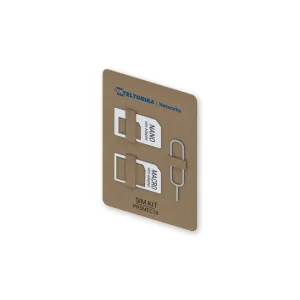
- SIM: 2× Mini SIM (2FF), Auto‑Switch + SIM Idle Protection + SIM PIN Management
- Ethernet: 5× RJ45 Gigabit (1× WAN, 4× LAN)
- Wireless: 802.11ac Wave 2 Dual Band (bis 867 Mbps), MU‑MIMO; Bluetooth 4.0 LE
- CPU/RAM/Flash: Quad‑core ARM Cortex‑A7 717 MHz; 256 MB DDR3; 256 MB SPI Flash
- Power: 9–50 VDC; optional passive PoE über LAN1 (Mode B, nicht IEEE 802.3af/at/bt)
- Gehäuse: Full Aluminium; IP30; 132 × 44 × 95 mm; 515 g
- Umgebung: −40 °C bis +75 °C
Entscheidungshilfe: Passt der RUTX14 zu Ihrem Projekt?
- Ja, wenn Sie maximalen LTE‑Durchsatz (Cat 12) als Primary‑ oder High‑Performance‑Backup‑Uplink benötigen.
- Ja, wenn Dual‑SIM Failover, Band‑Lock und SIM‑Idle‑Protection zur Uptime‑Strategie gehören.
- Ja, wenn Sie viele Ports + VLAN‑Segmentierung (bis 128) und gleichzeitig WLAN/BT/USB‑Flexibilität wollen.
- Alternativ: Wenn Cat 6 ausreicht und Zertifizierungen (z. B. Bahn) relevant sind, kann ein anderes Modell sinnvoller sein.