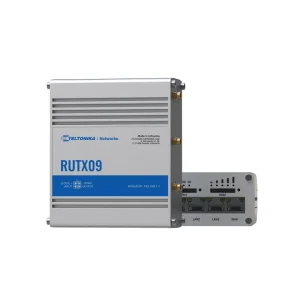
Auf einen Blick
Mobilfunk
4G LTE Cat 4
Bis 150/50 Mbit/s, Fallback 3G/2G
SIM‑Redundanz
Dual‑SIM + eSIM
Auto‑Switch + eSIM (bis 7 Profile, keine Datentarife enthalten; optional je Hardware)
PoE+
PoE‑In + 3× PoE‑Out
Bis 90 W Budget (30 W max/Port), IEEE 802.3af/at
WLAN & Hotspot
Wi‑Fi 4 (802.11n)
AP/STA + Captive Portal, bis 100 Clients, Mesh & Roaming
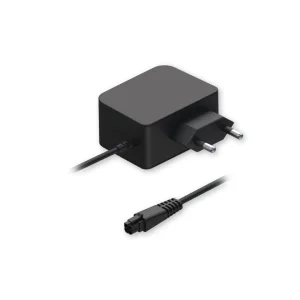
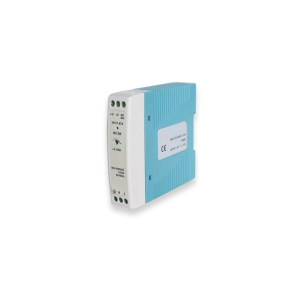
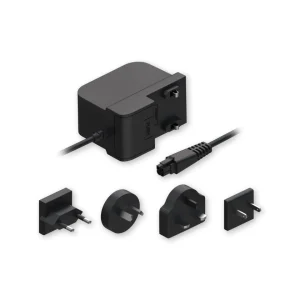
Hinweis: Diese Variante wird als RUT951 PoE+ angeboten und ist für PoE‑Setups ausgelegt (z. B. PoE‑Endgeräte direkt am Router). PSU im Lieferumfang (laut deiner Vorgabe).
Mobilfunk-Router + PoE‑Switch‑Funktion in einem Gerät
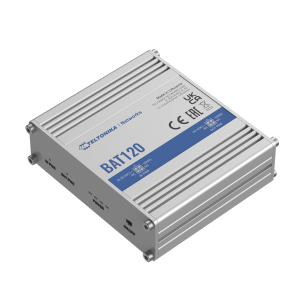
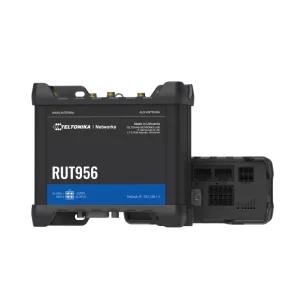
Der RUT951 PoE+ vereint LTE‑Anbindung, WLAN/Hotspot und PoE+‑Versorgung in einer kompakten Industrial‑Plattform. Für B2B‑Installationen bedeutet das: weniger Komponenten, weniger Verkabelung, weniger Fehlerquellen – und trotzdem alle typischen Teltonika‑Funktionen wie Failover, VPN, Firewall und Remote‑Management via RMS.
Video: Teltonika RUT951 PoE+ – Überblick
PoE+ – das Kern‑Upgrade gegenüber dem RUT951 ohne PoE+
- PoE‑In (PD): Port 1 (LAN1) – Router kann per PoE/PoE+ versorgt werden
- PoE‑Out (PSE): Ports 2–4 (LAN2, LAN3, WAN) – Endgeräte direkt am Router mit Strom versorgen
- Standards: IEEE 802.3af (Type 1) & IEEE 802.3at (Type 2)
- Leistung: bis 30 W pro Port, PoE Budget bis 90 W (abhängig von der eingespeisten Leistung)
- Praxisnutzen: IP‑Kameras, APs, VoIP/Intercom, Sensor‑Gateways – ohne separaten PoE‑Switch
Wichtig (Power-Logik): Volle PoE+‑Ausgabe (bis 90 W) ist an bestimmte Versorgungsszenarien gebunden (z. B. ausreichende DC‑Versorgung >44 V/≥100 W). Bei PoE‑Versorgung gelten Einschränkungen (z. B. 802.3at Type 2: bis 15 W total / 1 Port 802.3af Type 1). Plane daher das Netzteil/PSU passend zur Endgeräte‑Last.
Mobilfunk & Redundanz
- LTE Cat 4 bis 150/50 Mbit/s; 3G bis 21/5.76; 2G bis 236.8 kbps
- 2× SIM mit Auto‑Switch (weak signal, limits, roaming, no network, denied, connection fail, SIM idle protection)
- eSIM (Consumer‑Type, bis 7 Profile; keine Datentarife enthalten; optional je Hardware)
- Band‑Management, Auto APN, SIM‑PIN‑Management, Bridge/Passthrough
WLAN/Hotspot & Betrieb
- Wi‑Fi 4 (802.11n), AP/STA, bis 100 Clients
- Hotspot/Captive Portal (inkl. RADIUS, SMS Auth, SSO, Landing Pages, Themes)
- Roaming/Mesh: 802.11r/k/v, 802.11s, Relayd; QR‑Code Generator, TravelMate
- Security: WPA2‑Enterprise / WPA3, 802.11w PMF, Client Separation, EAP‑TLS
PoE‑Kamera‑Standorte (ohne PoE‑Switch) Retail/Filialen mit Hotspot IoT‑Hubs & Edge‑Installationen Temporäre Installationen (Container/Baustelle) Mobilfunk‑Backup + PoE‑Versorgung
Technische Daten (Auszug)
- Mobilfunk: LTE Cat 4 (150/50), 3G (21/5.76), 2G (236.8 kbps)
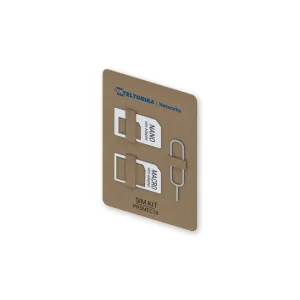
- SIM: 2× Mini SIM (2FF) + eSIM (optional je Hardware)
- Ethernet: 4× RJ45 (10/100 Mbps) – 1× WAN, 3× LAN
- PoE: PoE‑In (LAN1, PD) + PoE‑Out (LAN2/LAN3/WAN, PSE), 802.3af/at, Budget bis 90 W
- CPU/RAM/Flash: Mediatek 580 MHz (MIPS 24KEc); 128 MB DDR2; 16 MB SPI Flash
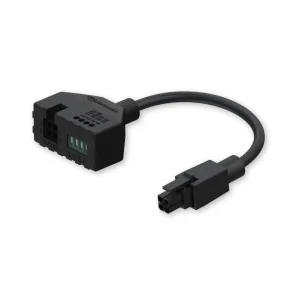
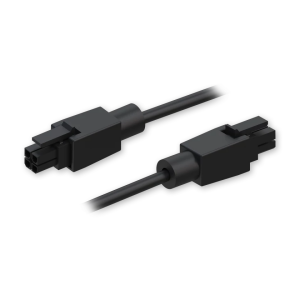
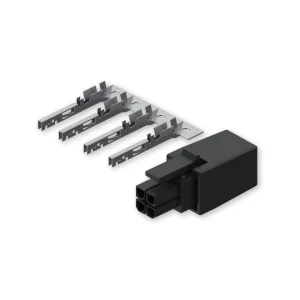
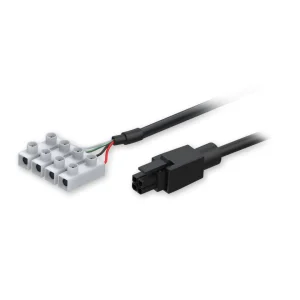
- Power: 9–57 VDC (4‑Pin Industrial); PoE Input 48–57 VDC
- Umgebung: −40 °C bis +75 °C; IP30
- Gehäuse: Aluminium/Plastic Panels; 110 × 50 × 100 mm; 287 g
- Management: WebUI, SSH, SNMP, TR‑069, RMS; FOTA